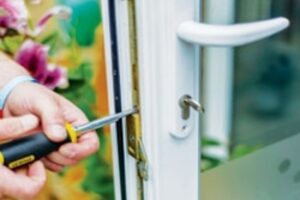
10 Things You Learned In Preschool That'll Help You Understand Residential Door Locks
Understanding Residential Door Locks: A Comprehensive Guide
When it concerns the security and security of one's home, residential door locks play a critical role. door lock parts replacement are typically overwhelmed by the selection of lock types, features, and security levels available on the marketplace today. This post aims to inform readers about the various types of residential door locks, their features, installation, maintenance, and answers to often asked questions.
Kinds Of Residential Door Locks
Residential door locks can be categorized into a number of types, each with special functions and purposes. Below is an outline of the most common residential door locks:
1. Deadbolt Locks
- Single Cylinder Deadbolt: Operates with a key on the outdoors and a thumb turn within.
- Double Cylinder Deadbolt: Requires a secret from both the within and outside, offering extra security.
2. Knob Locks
- Frequently set up on the main entry door, knob locks are frequently utilized in conjunction with deadbolts for enhanced security.
3. Lever Handle Locks
- Comparable to knob locks but much easier to run, specifically for individuals with movement problems. Commonly seen in commercial spaces, however also utilized in residential settings.
4. Smart Locks
- These locks can be managed through mobile phone applications and often supply functions such as remote gain access to, tracking entry and exit, and voice command capabilities.
5. Mortise Locks
- A more complicated locking mechanism that is set up within the door itself; supplies added security and is commonly utilized in commercial structures.
6. Cam Locks
- Frequently used in furnishings or cabinets, these locks are easy and generally use fundamental security.
7. Slider Locks
- Frequently discovered on sliding glass doors. These locks help secure the door in place.
8. Chain Locks
- Set up on the interior of doors, these locks limit how far the door can open, offering temporarily limited access and increased security.
Features to Consider When Choosing a Lock
Choosing the best residential door lock needs careful consideration of different features. Below are some vital features that property owners must keep in mind:
- Security Rating: Look for locks that have been evaluated for strength and toughness. ANSI/BHMA ratings can assist the choice.
- Product: Choose locks made from top quality materials, such as brass or steel, for longevity.
- Emergency Access: Consider locks with functions that use emergency gain access to, such as a quick-release mechanism or keypad.
- Ease of Use: Locks need to be user-friendly for all members of the household, including kids and elderly people.
- Installation Type: Some locks need professional installation, while others can be installed by the homeowner.
Installation of Residential Door Locks
The installation process for residential door locks varies depending upon the type. Below are general steps for setting up a deadbolt lock, one of the most common residential door locks:
Gather Required Tools: You might need a drill, screwdriver, determining tape, chisel, and level.
Eliminate the Existing Lock: Unscrew the old knob or lock set and remove it from the door.
Select the Right Height: Measure and mark where you want the deadbolt to be installed, usually around 45 inches from the ground.
Drill the Hole: Use a hole saw to drill a hole for the bolt and a different hole for the strike plate.
Set up the Lock: Insert the deadbolt into the hole and secure it with screws supplied in the lock set.
Check the Lock: Ensure that the deadbolt pulls back and extends efficiently before securing final tweaks.
Ending up Touches: Attach the strike plate to the doorframe and adjust it for the best fit before closing the door.
Maintenance of Residential Door Locks
To guarantee optimal performance and longevity, routine upkeep of residential door locks is necessary. Here are some maintenance suggestions:
- Lubrication: Use dry lube or graphite powder to keep the lock working smoothly. Avoid oil-based lubes as they can bring in dust and particles.
- Look for Wear and Tear: Regularly examine locks for rust, rust, or physical damage. Change any compromised locks.
- Test Efficiency: Occasionally evaluate the locking and opening mechanism to ensure they operate smoothly without excessive force.
- Cleaning up: Clean the lock surface area with a damp fabric to prevent dust accumulation.
Frequently asked questions
1. What is the very best kind of lock for a residential door?
- The very best type of lock depends on the particular requirements of the property owner, however a combination of a deadbolt and a knob lock is commonly considered as secure.
2. How often should I change my door locks?
- It is advisable to change your locks if you move into a new home, if a secret has actually been lost, or anytime you feel the security has been jeopardized.
3. Can I set up a smart lock on any door?
- A lot of smart locks require particular dimensions for installation. Always inspect compatibility with your door type before purchase.
4. What should I do if my lock is jammed?
- Try lubing the lock; if that doesn't work, consider calling a locksmith for assistance.
5. Are there locks that can be opened with a keypad?
- Yes, lots of smart locks and electronic deadbolts come equipped with keypad functionality.
Selecting the ideal residential door lock is essential for ensuring home security. With various types to choose from, comprehending the functions, installation processes, and upkeep requirements is essential for homeowners looking for to secure their properties. Property owners are motivated to stay informed about the current improvements in lock innovation, such as smart locks, which offer included convenience and security. Eventually, a well-informed choice can greatly improve the security and comfort within residential spaces.
Table: Comparison of Common Types of Residential Door Locks
Type
Security Level
Installation Ease
Keypad Option
Advised Use
Deadbolts
High
Moderate
No
Main entrances
Knob Locks
Moderate
Easy
No
Bed room doors
Smart Locks
High
Moderate
Yes
Main entrances
Lever Handle Locks
Moderate
Easy
No
Interior doors
Mortise Locks
High
Complex
No
Commercial properties
Cam Locks
Low
Easy
No
Cabinets/pieces of furniture
Slider Locks
Moderate
Easy
No
Sliding doors
Chain Locks
Low
Easy
No
Internal security
By navigating through this guide, property owners can make informed decisions about their residential door locks, guaranteeing their homes remain secure and safe from possible risks.